
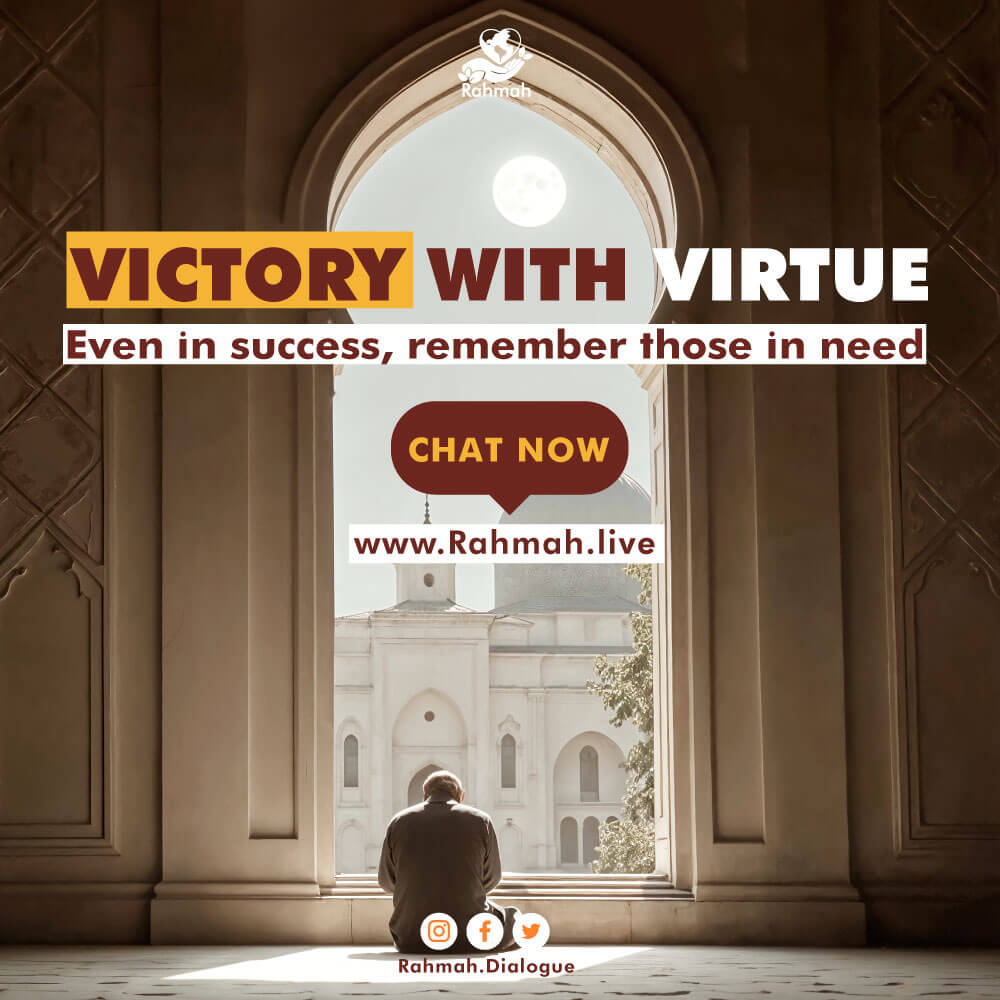
Introduction: Who Deserves the Credit in the Hour of Victory?
In moments of triumph, the human soul may lean toward monopolizing gains, feeling that individual effort was the sole power behind success. However, Islam regulates this feeling through the branch of “Giving the Fifth” (Al-Khumus/الخُمس). This obligation ensures that the deprived, orphans, and public interests have a fixed share in the fruits of victory. In the “Tree of Faith,” this branch represents “God’s Right in the Harvest.” Just as wealth is purified by charity (Zakat), spoils of war are purified by setting aside this portion designated for God and the vulnerable groups of the nation.
Giving the Khumus is a practical declaration that “Wealth belongs to God,” and that the purpose of power and empowerment is to establish justice and aid the needy, not to accumulate riches in the hands of a few.
The Philosophy of the Fifth: The Wisdom of Prophetic Distribution
Islam did not leave the distribution of spoils to personal whims or conflict. Instead, it established a precise spiritual scale based on authentic pillars:
- Compliance with Revelation: The Holy Quran detailed the distribution of the Fifth in Surah Al-Anfal: {And know that anything you obtain of war booty – then indeed, for Allah is one fifth of it and for the Messenger and for the [near] relatives and the orphans, the needy, and the [stranded] traveler}. This ensures that 20% of resources serve the major causes of the nation and protect the weak.
- Caring for the Weak in the Hour of Power: When wealth flows after victories, many forget the orphan and the needy. This legislation makes them original “partners” in prosperity, removing hatred from hearts and strengthening the bonds of mercy.
- Purifying the Soul of the Striver (Mujahid): Setting aside the Fifth trains the individual in “Sincerity” (Tajarrud/تجرد). It proves that their struggle was not merely for worldly gain, but out of obedience to God and service to His servants.
Educational and Social Impact: The Sovereignty of the Collective Spirit
Commitment to this branch produces magnificent effects in building the Muslim community:
- Breaking the Sharpness of Selfishness: The believer learns that their share of the world is linked to the rights of others, fostering a culture of Selflessness (Ithar/إيثار) and prioritizing the public interest.
- Fortifying Society from Within: Spending the Fifth on orphans and the needy closes the doors of poverty and prevents excessive class division, making everyone feel the fruits of collective labor.
- Sustaining Public Strength: The portion dedicated to “God and the Messenger” ensures resources for protecting borders and establishing public facilities, preserving the dignity and independence of the nation.
Al-Khumus as a Manifestation of “Financial Piety”
Giving the Fifth is a test of honesty and transparency. The believer who gives this portion with a contented soul proves that God’s watchfulness in their heart is stronger than the temptation of money. This financial discipline is what distinguished the early generations, making them masters of justice on earth.
Conclusion: Wealth in the Service of Principle
The branch of “Giving the Fifth” is a constant reminder that every favor we receive is from God, and gratitude for blessings is shown by fulfilling their rights. It is a system that transforms “Matter” into “Meaning” and makes worldly gains a means to attain God’s pleasure in the Hereafter.
We invite you to reflect on this unique financial system: How can setting aside the Fifth transform spoils into a tool for social building and mercy for the poor? And how do the values of “Justice in Distribution” contribute to building a cohesive Islamic society ruled by loyalty, cooperation, and peace?


 English
 Español
 Português do Brasil
 Français
 Português
 Tagalog
 日本語
日本語 简体中文
简体中文 Русский
 Italiano
 Deutsch
 Türkçe
 العربية