
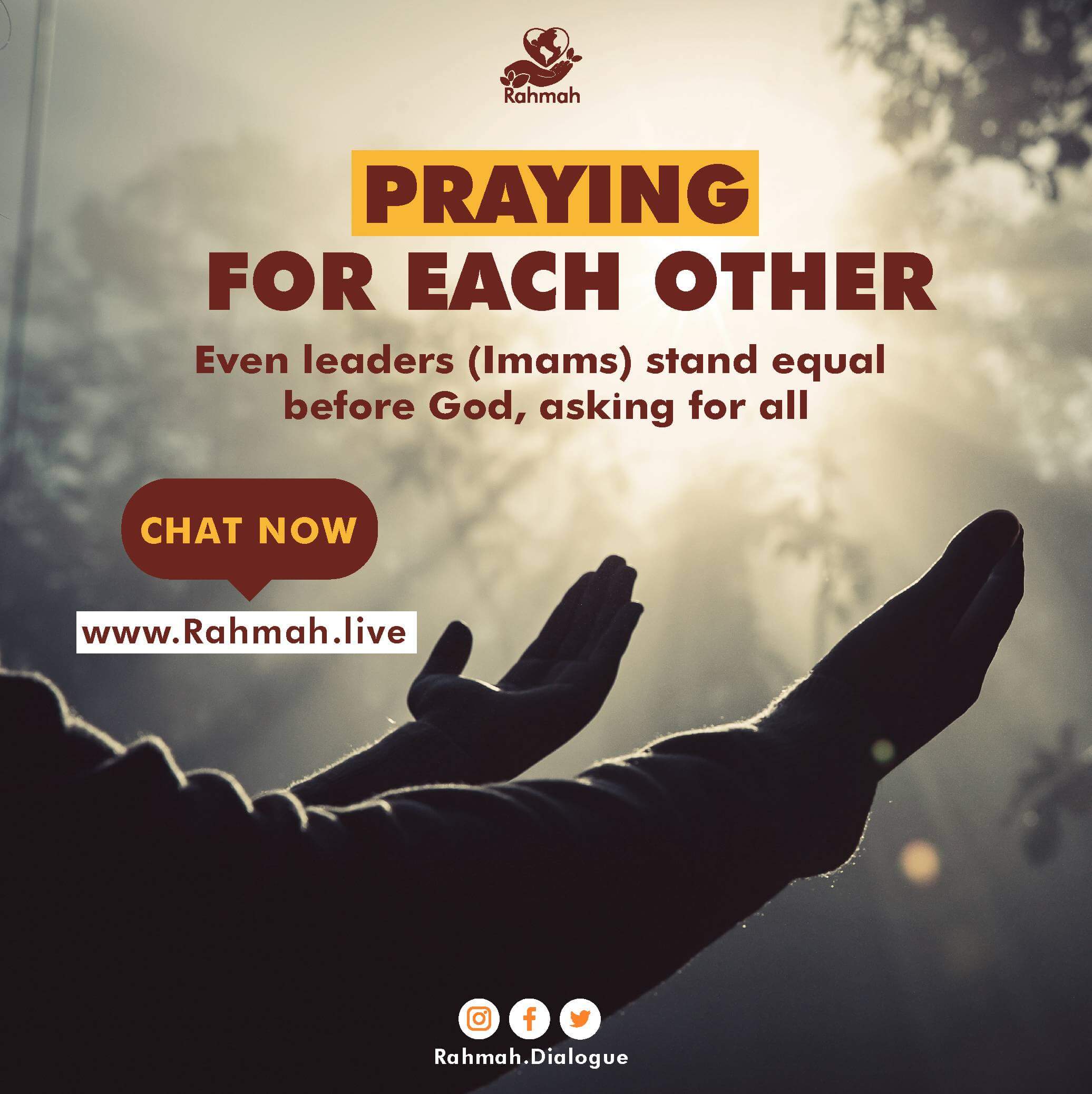
Introduction: Can Selfishness Enter the Sanctuary?
In moments of intimate conversation with the Creator, the individual melts into the community of believers, and differences between those at the front and those at the back disappear. In the “Tree of Faith,” the branch of “The Imam not specifying himself in supplication” represents the “Interconnected Branches”; those that support one another and share nourishment and goodness equally. This value protects “Spiritual Leadership” from self-love and ensures the Imam is the voice of the congregation, not a voice monopolizing the prayer for himself.
This etiquette is a refined Prophetic teaching that trains a Muslim that leadership (Imamah/إمامة) is a “responsibility and service,” not “prestige and superiority.” It is a testament to the sincere affection between the leader and the followers.
The Philosophy of Collective Prayer: “We,” Not “I”
This branch of faith stems from Prophetic guidance that urges the leader to keep the followers in mind during every public supplication (Du’a/دعاء). This etiquette is based on several pillars:
- Shared Servitude: Both the Imam and the followers stand in the same position of need before God. For the Imam to pray only for himself is a form of “selfishness” that contradicts the spirit of humility.
- The Blessing of the “Amin”: When the Imam uses the plural form (O Allah, forgive us, have mercy on us) and the followers say “Amin” (آمين) behind him, the prayer turns into a collective force. Its blessings flood everyone without exception.
- Leadership Humility: It is a silent message to anyone in a position of authority: “Your success is tied to those with you.” Do not keep the goodness for yourself and forget those who trusted you.
Ethical Manifestations: How Does This Reflect on Our Behavior?
Commitment to this Prophetic etiquette bears several virtues in the soul and society:
- Breaking Individualism: The believer learns that the “Public Good” comes before “Private Interest,” and that praying for the group is the shortest path to having one’s own personal prayers answered.
- Spreading Love and Tranquility: When followers hear their leader persistently asking God for mercy for everyone, hearts fill with affection toward the leader, and feelings of marginalization disappear.
- Justice in its Highest Form: Prayer is the scale of justice. Just as people are equal in standing, bowing, and prostrating, they must be equal in their “share of the prayer.”
Lessons in “Merciful Leadership”
This branch offers a profound lesson in managing groups with a team spirit:
- Carrying the Collective Concern: A sincere Imam carries the worries of those behind him in his heart before his tongue, making his prayer a healing balm for their pains.
- A Role Model in Selflessness: Prioritizing the group in prayer is daily training in Selflessness (Ithar/إيثار), which reflects in the lives of both the Imam and the followers outside the mosque, making them more cooperative in worldly affairs.
- The Alignment of Hearts: The alignment of rows in prayer is not complete until the hearts are aligned in prayer. Inclusive supplication is the spiritual bond that makes the worshipers a “Solid Structure.”
Conclusion: Hearts Gathering at God’s Door
The branch of the Imam not specifying himself in prayer is a call to reject selfishness in the most sacred moments. It reminds us that in the journey of faith, we walk together, we are saved together, and we hope for God’s mercy together. Whoever is in the service of people, God is in their aid.
We invite you to reflect on this refined etiquette: How can a simple change in the phrasing of a prayer (using “us” instead of “me”) plant harmony in an entire society? How does humility in worship contribute to building human relationships based on appreciation, mercy, and justice?





 English
 Español
 Português do Brasil
 Français
 Português
 Tagalog
 日本語
日本語 简体中文
简体中文 Русский
 Italiano
 Deutsch
 Türkçe
 العربية