
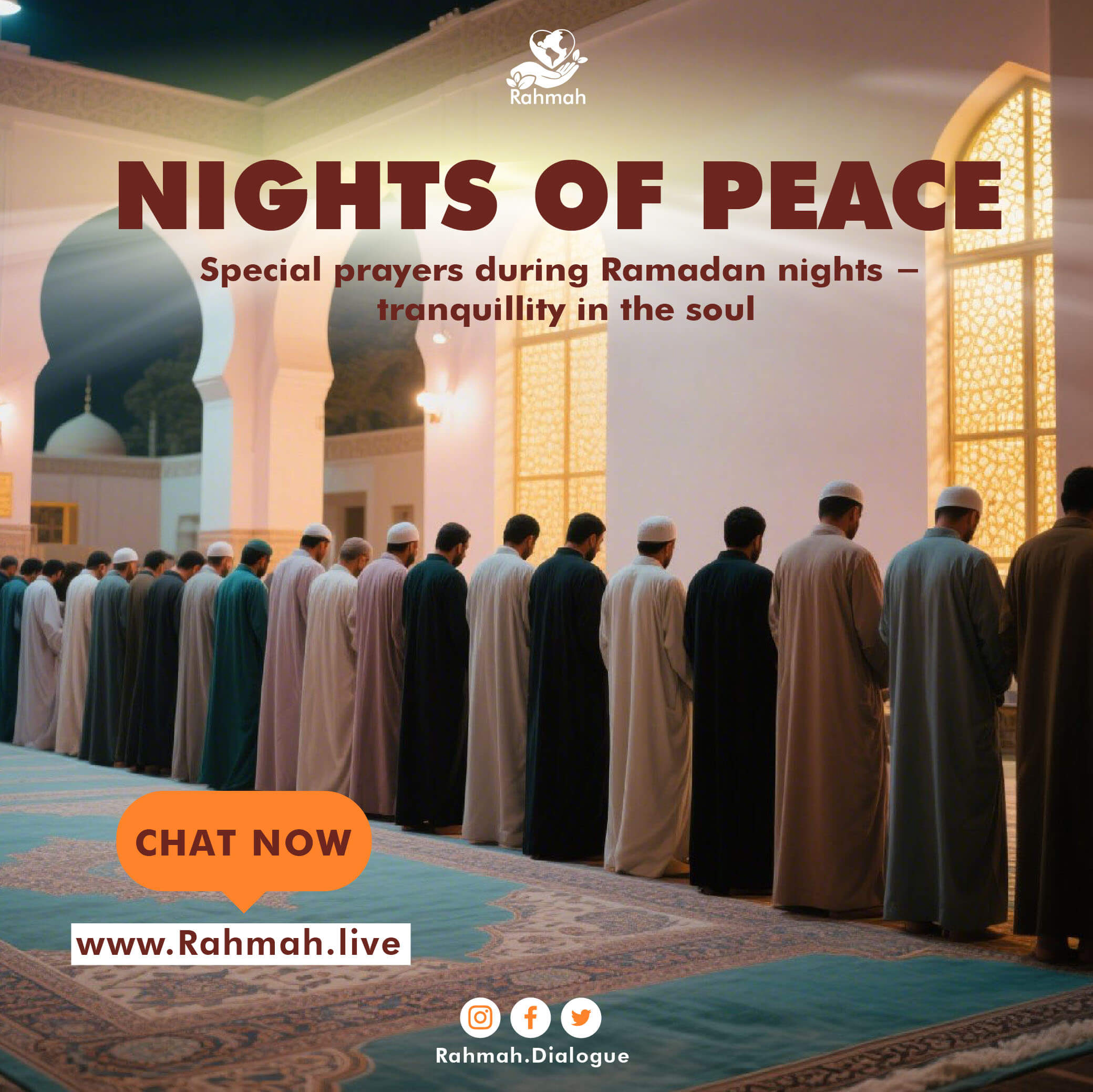
Introduction: When the World Quiets Down and the Soul Speaks
While the world is lost in deep sleep or busy with the noise of late-night distractions, the lamps of tranquility are lit during the nights of Ramadan. In the “Tree of Faith,” the Night Prayer (Qiyam/قيام) represents the “dew” that wets the leaves in the silence of the night. It is the time when a person breaks free from the pressures of the day to enter a calm and humble conversation with their Creator.
The Night Prayer in Ramadan, commonly known as Tarawih (تراويح), is not just a ritual. It is the highest form of investing one’s time—an attempt to raise the human soul to horizons of light and beauty under the shade of the Holy Quran.
The Philosophy of Standing: Why Leave Comfort for Prayer?
Some might ask: Why are millions of people keen to stand for long hours in prayer after a tiring day of fasting? The answer lies in the spiritual essence of this act:
- Cleansing the Soul (The “Reset”): Islam presents the Night Prayer as a golden opportunity for a total review of one’s life. Whoever stands these nights with sincerity (Ikhlas/إخلاص) and faith comes out of them with their past mistakes forgiven, starting a new page with themselves and with life.
- Feeding the Mind with the Quran: Qiyam is the “annual season” to reconnect with the words of the Creator. The Quran is recited slowly and with reflection (Tadabbur/تدبر), giving the worshiper a chance to meditate on the values of justice, mercy, and wisdom.
- Training the “Conscious Will”: Choosing to leave rest and entertainment to stand before God is an exercise in self-mastery, leading the soul toward higher goals.
The Social Impact: A Parliament of Light and Equality
Although it is a private connection between the servant and their Lord, praying Tarawih in mosques creates a stunning social image:
- Unity of Hearts: When the rich and the poor, the old and the young, stand in one line behind one leader (Imam/إمام), the “I” disappears and the “We” emerges. This repeated nightly gathering anchors human brotherhood and makes the individual feel part of a larger, peaceful entity.
- Bridges of Connection: After the prayer, people exchange greetings and ask about one another. This renews the bonds of being a neighbor and reduces the social isolation caused by modern life.
- An Educational Environment: Seeing children accompany their parents to the mosque plants values of discipline and beauty in their hearts, building a generation that balances material life with the spirit.
Behavioral Etiquette: Elegance in Worship
The Night Prayer teaches us that worship is an “art.” The worshiper is encouraged to have sincerity (avoiding showing off), reflection (avoiding haste), and moderation. This balance reflects the Islamic view of humans as beings who need beauty and kindness even in moments of intense worship.
Conclusion: Returning to the World with a New Heart
The Night Prayer in Ramadan is like an intense “spiritual recharge.” Those who live these nights with a present heart do not return to their lives as they were before. They return with a more awake conscience and a stronger will to do good. It is an invitation to discover the “luminous power” within us that can overcome physical tiredness to enjoy spiritual beauty.
We invite you to reflect on this unique scene of faith: How can nightly silence and sacred words create the inner peace we all seek? How can this spiritual gathering be a starting point for a society filled with affection, cooperation, and moral excellence?




 English
 Español
 Português do Brasil
 Français
 Português
 Tagalog
 日本語
日本語 简体中文
简体中文 Русский
 Italiano
 Deutsch
 Türkçe
 العربية