
Introduction: Do You Lead by the Merit of Your Knowledge or the Consent of Your Brothers?
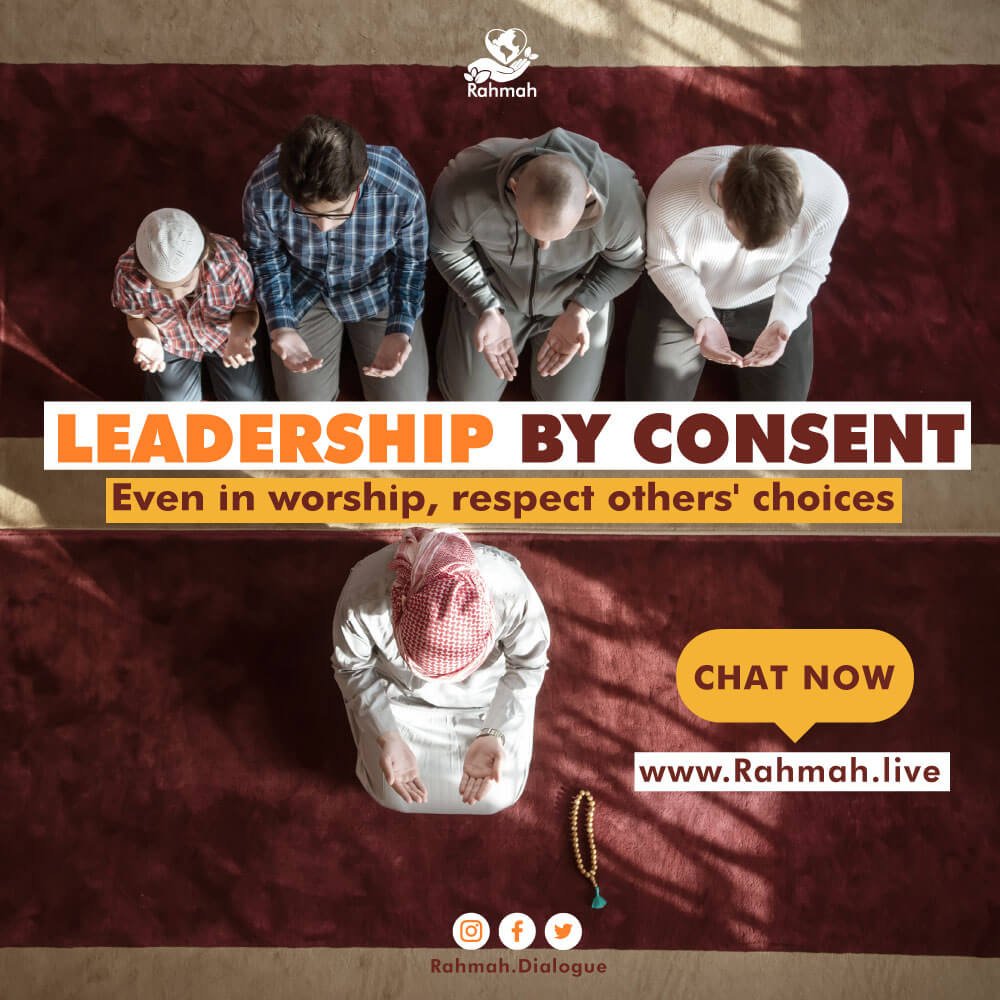
In the scale of Islam, leading the prayer (Imamah) is a “Great Trust” and a responsibility before Allah rather than a mere honorary title before people. In the “Tree of Faith,” the branch of “Not leading a people without their permission” represents the “Bending Branch”; it does not tower over others in pride but bows in humility and altruism. The Prophet ﷺ forbade a man from leading a people who dislike him, emphasizing that congregational prayer must be built on “goodwill” and harmony, not on domination or the desire for prominence.
This etiquette in Islam acts as a “Muzzle for the Soul” against the love of fame. A true believer retreats from leadership out of modesty before Allah and respect for his brothers, only stepping forward if invited, certain that a true leader is one who wins people’s hearts before winning a place in front of them.
The Philosophy of Permission: “No Man Should Lead Another in His Domain”
Revelation has formulated a methodology that preserves individual dignity and the prestige of gatherings, resting on firm spiritual pillars:
- Respecting the Authority of the Host: Islam sanctifies “the rights of homes” and “the authority of those in charge.” The owner of a house or the appointed Imam has the primary right to lead. Stepping ahead without permission is a breach of gallantry and an infringement on rights, which breeds resentment and strips the prayer of its blessing.
- Uniting Hearts in Obedience: Prayer is a connection between the servant and their Lord. If someone whom people do not approve of—for a legitimate reason or a lack of affection—leads them, their thoughts become distracted and their focus (Khushu) weakened. Thus, the consent of the congregation is a condition for spiritual clarity in communal worship.
- Training in the Principle of Consultation (Shura): This small etiquette in prayer is a major exercise in the governance of the nation. One who refuses to lead a prayer except with the satisfaction of the worshippers will not accept leading people in their worldly affairs except through their consultation and consent.
Requirements of Demeanor: The Believer’s Etiquette in Stepping Forward or Staying Back
This branch manifests in a believer’s behavior, making them a role model in refined character:
- Humility and Prioritizing the Capable: A believer does not always see themselves as the most deserving of leadership. Instead, they look for the most knowledgeable and the best reciter to put forward. If invited to lead, they ask for the host’s permission out of courtesy. If people prefer someone else, they feel no resentment; for the goal is establishing the prayer, not who stands in the niche (Mihrab).
- Avoiding the Love of Authority: A believer is cautious of imposing themselves as an Imam, speaker, or leader of gatherings without an invitation. “Whoever seeks authority is left to it,” but whoever is called to it is aided. Abstaining from the pursuit of the spotlight is a hallmark of the righteous.
- Considering the Feelings of the Worshippers: An Imam who leads with the people’s permission is keen on making it easy for them and not causing hardship. He views himself as a “servant” to their prayer and a trustee of their time and effort.
Spiritual and Social Impact: A Society of Agreement and Accord
When the character of seeking permission before leading prevails, magnificent fruits emerge that preserve the strength of the community:
- Removing Causes of Conflict: Blameworthy competition for positions and niches vanishes. Leadership becomes based on “merit and satisfaction” rather than force and imposition, filling hearts with love and trust.
- Consolidating the Etiquette of Gatherings: Members of society learn that every place has its sanctity and every person has the right to choose who represents them. This reflects on the order of daily life in work, family, and society.
- Sincerity of Worship to Allah: When “the love of appearance” fades and “chastity of the soul” emerges, deeds become purely for the sake of Allah. The believer does not look for a worldly rank but for acceptance in the Heavens.
Spiritual Accountability: “Three People Whose Prayer Does Not Rise Even a Span Above Their Heads”
This branch calls us to scrutinize our intention before stepping into any position of leadership:
- Checking the Heart for Pride: Did I step forward because I see myself as the best? Or because the people’s needs required it? A sincere believer always sees themselves as the least of people and fears the consequences of responsibility.
- Seeking Allah’s Pleasure: The certainty that leading while the people dislike it (for a valid reason) is a cause for the work not being accepted. Thus, the motive for stepping back is the fear of Allah and a keenness for the perfection of the reward.
Conclusion: Staying Behind in the World, Elevation with the Lord
The branch of not leading people except with their permission is the essence of “The Policy of Ethics” in Islam. It tells us that a person’s true value is not measured by their place in the row, but by the extent of their humility and respect for their brothers. Whoever humbles themselves for Allah, He raises them, and whoever respects people’s right to choose, their status grows in hearts and with their Creator.
We invite you to reflect on this Divine etiquette in “Compassionate Dialogue”: How can a simple gesture (seeking permission before stepping forward) protect a nation from division and conflict? And how do the values of “Humility and Satisfaction” contribute to building a cohesive Islamic society ruled by justice, affection, and peace?



 English
 Español
 Português do Brasil
 Français
 Português
 Tagalog
 日本語
日本語 简体中文
简体中文 Русский
 Italiano
 Deutsch
 Türkçe
 العربية