
Introduction: Is Your Heart Safe from the Whispers of Satan?
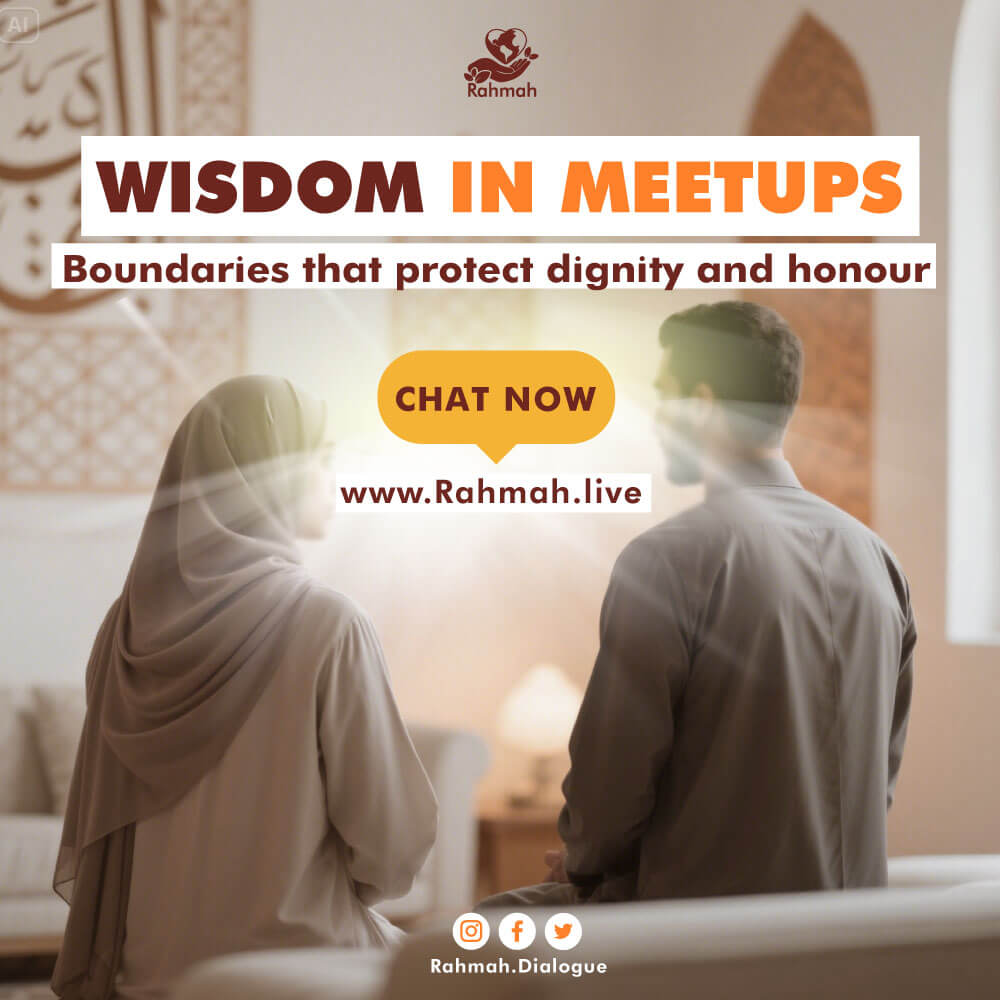
In Islamic Sharia, the heart is the most precious possession of a believer. Maintaining its purity requires staying away from situations of temptation where human resolve might weaken. In the “Tree of Faith,” the branch of “Avoiding Seclusion with a Non-Mahram Woman” (Khalwah) represents the “High Wall” that protects the fruit and prevents base thoughts from infiltrating the soul. Islam has made avoiding being alone with a non-mahram woman a proof of sincere piety and a sense of responsibility toward the purity of society.
Avoiding seclusion in Islam is a “Preventative Methodology.” A true believer does not place themselves in positions of suspicion, viewing the closing of doors to error as the ideal way to keep hearts connected to the Creator, untainted by the impurities of disobedience.
The Philosophy of Prevention: “Satan is the Third Among Them”
The Prophet ﷺ drew the boundaries of safety when he said: “No man is alone with a woman but Satan is the third among them.” This principle rests on firm spiritual pillars:
- Blocking the Means to Temptation: Islam is a realistic religion that understands human nature. It prohibits seclusion not as an accusation against an individual’s morals, but to close the doors through which Satan might incite desires in the absence of an observer.
- Protecting Honor and Reputation: A believer is commanded to avoid suspicious situations. Avoiding seclusion protects the reputation of both men and women from gossip, preserving individual dignity and family prestige.
- Achieving Psychological Security: In the absence of seclusion, trust and tranquility prevail. A husband feels secure regarding his wife, and a father regarding his daughter, because everyone adheres to guidelines that ensure concealment and gravity.
Requirements of Chastity: The Islamic Conduct in Interaction
This branch manifests in a believer’s behavior, making their interaction with the opposite sex based on respect and equity:
- Commitment to Presence of Others: Ensuring that meetings or interactions (when necessary) take place in public view or in the presence of a Mahram, creating an atmosphere full of modesty and dignity.
- Refraining from Unnecessary Private Conversations: Whether face-to-face or via modern means of communication, a believer is concise in speech with a non-mahram, keeping it within the bounds of necessity and avoiding soft or prolonged speech that may lead to temptation.
- Lowering the Gaze and Decency: Adhering to Prophetic etiquette that combines avoiding seclusion with guarding the gaze and wearing modest clothing, completing the fence of chastity from all sides.
Spiritual and Social Impact: A Society of Purity and Trust
When the character of avoiding seclusion prevails, magnificent gains are achieved:
- Purity of Family Ties: Loyalty and clarity prevail within homes; doubts vanish, and social relationships are built on solid foundations of honesty and integrity.
- Respectful Work and Educational Environments: When institutions adhere to guidelines that prevent unnecessary isolation, everyone feels safe and valued, and energies are directed toward creativity in an atmosphere of dignity.
- Cultivating Self-Accountability: This branch plants the realization that “God is the Observer.” A believer refrains from seclusion out of modesty before their Lord before fear of people, building a strong and upright personality.
Spiritual Accountability: “Beware of Suspicious Positions”
This branch calls for vigilance in our daily dealings:
- Citing against Self-Justifications: Satan may beautify seclusion under the guise of “trust,” “professionalism,” or “work.” A conscious believer prioritizes God’s law over the whims and excuses of the self.
- Establishing the Rite of Modesty: Making modesty the leader in every encounter, keeping society fenced with piety and protected by Divine care.
Conclusion: Chastity That Inherits Paradise
The branch of avoiding seclusion is a message overflowing with wisdom and mercy. It tells us that chastity is not a restriction, but freedom from the captivity of whims and a protection for the beauty of the soul. Whoever guards themselves and closes the doors of temptation seeking God’s pleasure, God will grant them the sweetness of faith and the Abode of Safety.
We invite you to reflect on this great preventative system: How can regulating encounters protect the purity of hearts and the safety of honor? And how do the values of “Chastity and Prevention” contribute to building a cohesive Islamic society ruled by justice, affection, and peace?





 English
 Español
 Português do Brasil
 Français
 Português
 Tagalog
 日本語
日本語 简体中文
简体中文 Русский
 Italiano
 Deutsch
 Türkçe
 العربية