

Introduction: Is Your Presence at a Gathering of Disobedience an Endorsement?
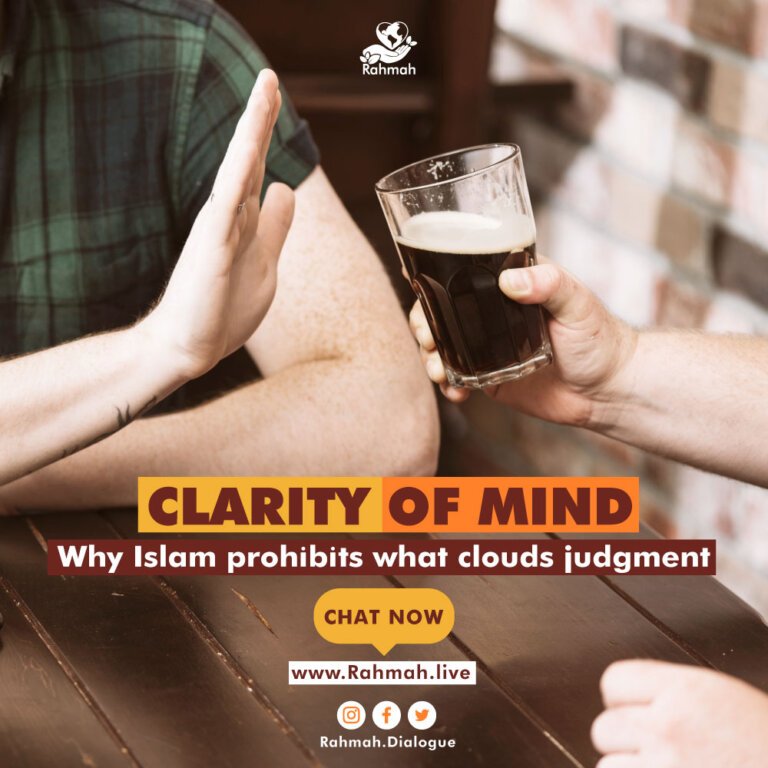
In Islamic Sharia, faith is not completed merely by abandoning what is forbidden, but by leaving the “environment” that facilitates or celebrates it. In the “Tree of Faith,” the branch of “Avoiding Sitting at a Table Where Alcohol is Served” represents the “Immunity that Protects the Fruit from Contagion.” It prevents the believer from dissolving into gatherings of heedlessness and corruption. Islam has made distancing oneself from such places a sign of “Venerating the Sanctities of God” and a sense of responsibility toward oneself and society.
Avoiding these tables is not just a precautionary behavior; it is a “Heartfelt Worship” that clearly declares that a believer does not accept being part of a scene where reason is insulted and Divine boundaries are violated.
The Philosophy of Avoidance: “Do Not Sit with Them”
The Holy Quran clearly established the rule of companionship when it forbade sitting with those who mock or misuse Divine signs. This avoidance rests on authentic spiritual pillars:
- Refusing to Endorse Evil: Sitting at a table where alcohol is served is a form of “socializing” with the act of disobedience. A believer is commanded to change evil with their heart, tongue, or hand; the minimum level of rejection is “Departure” and distancing, so as not to be a partner in sin through silence and approval.
- Preserving the Seat of Accountability (The Mind): Alcohol is the “Mother of Evils” because it clouds the mind—the greatest Divine gift to humanity. Sitting in its presence is a disregard for this mind and a desecration of the dignity of the self that God honored with awareness.
- Warning Against Divine Displeasure: The Prophet ﷺ warned against sitting at a table where alcohol is drunk, because blessings are stripped from such gatherings. A believer flees with their religion toward environments of mercy and tranquility.
Requirements of Integrity: The Believer’s Conduct in Society
This branch manifests in a believer’s positions, making them a person of firm faith and graceful conduct:
- Dignity in Avoiding Dubious Places: Rising above entering locations known for publicizing disobedience, preserving one’s reputation and escaping “backbiting and gossip” that often accompany gatherings of intoxication.
- Proclaiming the Truth with Gentleness: If a believer finds themselves at a banquet where evil arises, they must depart with dignity, explaining the reason to the host with refined speech, acting as a caller to virtue through their action.
- Choosing Righteous Companionship: A believer ensures their gatherings are for remembrance, thought, or clear benefit, where companions help each other in obedience to God.
Spiritual and Social Impact: A Society of Transcendence and Purity
When society adheres to this branch, major moral gains are achieved:
- Siege of Vice: When those committing sins feel that the righteous refuse to sit with them during the act, it serves as a motivation for them to reflect and repent. Thus, vice finds no “nurturing environment.”
- Safeguarding Social Peace: Alcohol is a primary cause of enmity, hatred, and aggression. Staying away from its gatherings is staying away from the triggers of conflict and crime.
- Venerating Divine Symbols: This branch cultivates an aura of respect for “Divine Boundaries,” making religion a lived reality in food, drink, and social life.
Spiritual Accountability: “Forsaking the Sin, Not the Sinner”
This branch calls us to examine our stances:
- Disavowal of the Act, Not Hatred for the Human: A believer hates the sin and leaves its gathering, but remains eager for the sinner’s guidance and helps them in other settings away from the vice.
- Modesty Before God’s Sight: Sensing that God sees where we sit and hears what we say prevents a believer from being in a place that displeases Him.
Conclusion: A Companion of Angels, Not of the Heedless
The branch of not sitting at a table where alcohol is served is a protection against following the footsteps of Satan toward vice. It tells us that a believer cannot be bought or sold for a morsel or a drink in a gathering where boundaries are lost. Whoever leaves evil gatherings seeking God’s pleasure, God replaces them with gatherings attended by angels and covered in mercy.
We invite you to reflect on this spiritual discipline: How can choosing our gatherings shape our identity and protect our minds? And how do the values of “Clarity” contribute to building a cohesive Islamic society ruled by purity, affection, and peace?

 English
 Español
 Português do Brasil
 Français
 Português
 Tagalog
 日本語
日本語 简体中文
简体中文 Русский
 Italiano
 Deutsch
 Türkçe
 العربية