

Introduction: Can Abundant Fasting and Prayer Compensate for Ill-Treatment of Neighbors?
In the scale of Islam, faith is not measured solely by isolated ritual acts of worship. Rather, its reality is revealed in the “human footprint” left among those surroundings. In the “Tree of Faith,” the branch of “Refraining from Harming Neighbors” represents the “Lush Shade” that protects others from the heat of harm and the flames of dispute. It is the value that makes a believer a “Source of Security,” such that no betrayal or disturbance is ever expected from them.
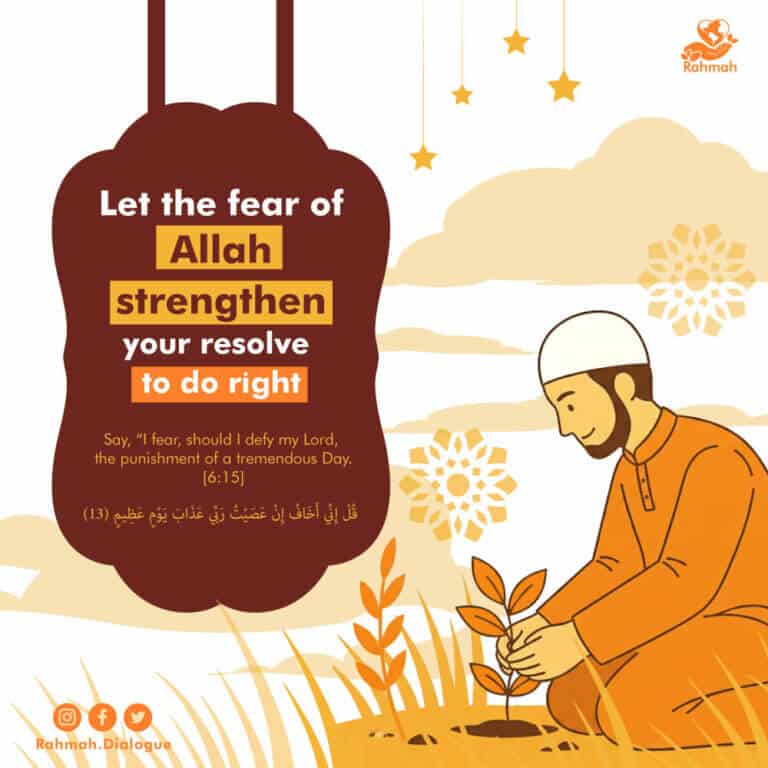
Refraining from harming a neighbor is the practical test of piety (Taqwa). A true believer realizes that troubling a neighbor is a direct dispute with the commandments of God and His Messenger, and that the neighbor’s safety from them is a testimony to the righteousness of their heart and the integrity of their faith.
The Philosophy of Refraining from Harm: The Silent Worship
Islam has issued a severe warning against harming neighbors, making “abstinence from harm” a priority that precedes voluntary acts of worship. This understanding is built on authentic spiritual pillars:
- Connection to the Perfection of Faith: When the Prophet ﷺ swore thrice: “By Allah, he does not believe… whose neighbor is not safe from his Bawa’iq (evils),” he made the neighbor’s safety a fundamental condition for the soundness of belief.
- The Severe Warning: The Prophet ﷺ taught us that abundant prayer and fasting do not benefit an individual if they are harmful to their neighbors, proving that “the rights of people” are among the greatest trusts for which one will be held accountable.
- Sanctity of Privacy and Concealment: Moral harm—such as spying, seeking out flaws, or spreading secrets—is among the worst types of harm. It violates the “Concealment of God” (Satr Allah) over His servants and destroys the walls of trust upon which society is built.
Manifestations of Refinement: The Believer’s Conduct
Commitment to this branch manifests in practical ways that reflect the excellence of Islamic ethics:
- Physical Harm: Rising above anything that disturbs a neighbor’s life, such as loud noises, blocking pathways, or littering. A believer senses that “removing harm” is a charity (Sadaqah), so how could they be the one causing it?
- Moral Harm: Guarding the tongue against backbiting or gossiping about the neighbor, avoiding mockery, and being mindful of their feelings in both joy and sorrow—neither showing spite during their misfortune nor envy during their prosperity.
- Enduring Harm with Kindness: The perfection of this branch includes not only refraining from harm but also bearing the neighbor’s harm with patience and responding with a “Beautiful Pardon,” seeking reward and breaking the influence of Satan between them.
Social Impact: A Society of Dignity and Mercy
When refraining from harm becomes a general culture, we find great social fruits:
- Psychological Security: People sleep peacefully in their homes, safe not only from thieves but from the nuisance of neighbors, reducing social anxiety and increasing happiness.
- Purity of the Social Fabric: Disputes that tear a neighborhood apart vanish, replaced by tranquility and dignity, making society more cohesive and capable of facing challenges.
- Leading by Example: By refraining from harm, the believer acts as a “silent dawah” (invitation) to others, highlighting the beauty of Islam as a religion that respects humans and sanctifies the rights of proximity.
Conclusion: Neighbors in This Life, Neighbors in Paradise
The branch of “Not Harming Neighbors” is a reminder that the path to Paradise passes through “Good Conduct” with those we see every day. It is a call to review our behavior in our homes and neighborhoods. Whoever is a source of security for God’s creation is worthy of God’s mercy and security on the Day of Resurrection.
We invite you to reflect on this refined spiritual etiquette: How can refraining from harm be a key to opening closed hearts? And how do the values of “Respect and Tranquility” contribute to building a cohesive Islamic society ruled by justice, affection, and peace?




 English
 Español
 Português do Brasil
 Français
 Português
 Tagalog
 日本語
日本語 简体中文
简体中文 Русский
 Italiano
 Deutsch
 Türkçe
 العربية