
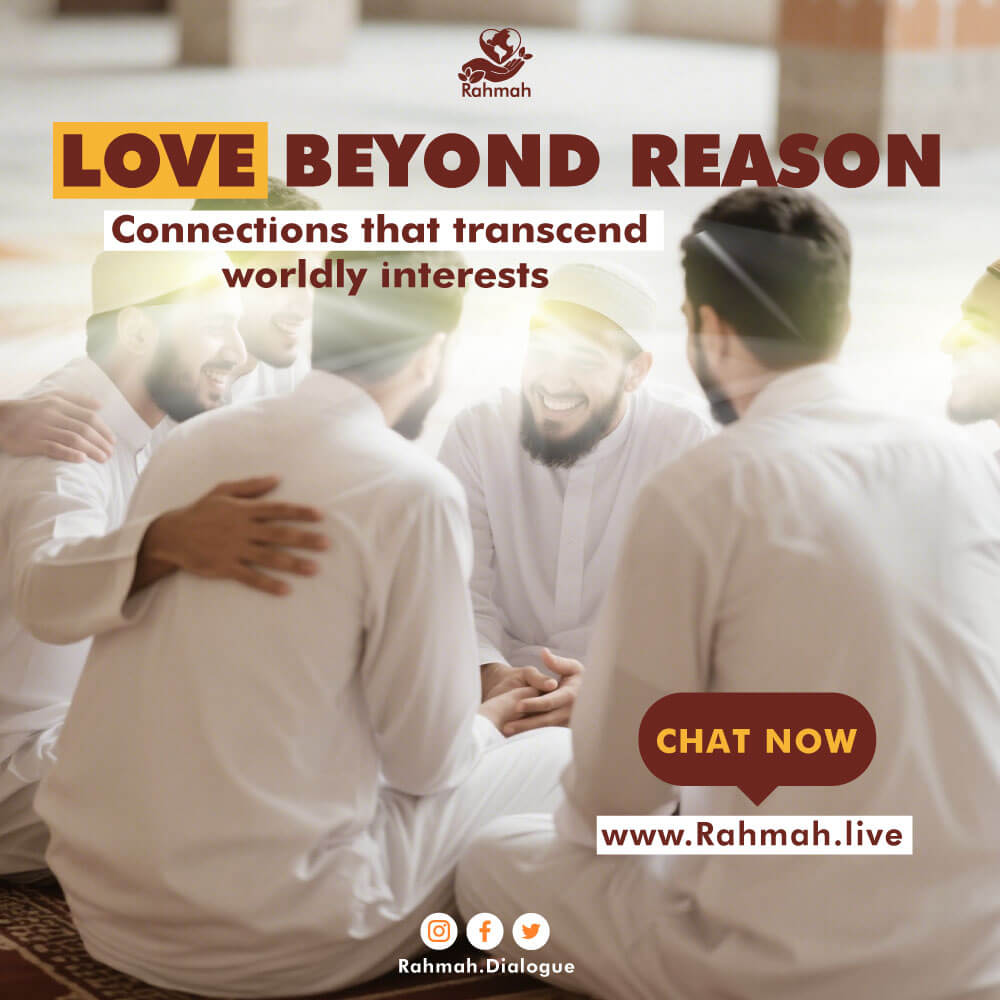
Introduction: What Unites Hearts When Personal Interests Fade?
In a world driven by mutual benefits and temporary goals, Islam introduces a unique bond that transcends the limits of matter and self-interest: “Love for the Sake of God” (Al-Hubb fillah/الحب في الله). In the “Tree of Faith,” this love represents the “Sap that Connects the Branches.” It is the hidden force that makes believers feel each other’s pains and hopes—not because of blood relations or worldly gain, but because they have gathered around the table of Monotheism and obedience to the Creator.
Love for the sake of God is a “Devotional Emotion” that allows the believer to taste the sweetness of faith. It transforms society into a single body; if one limb suffers, the rest of the body responds with wakefulness and fever.
The Philosophy of Love for God: Affection Above Personal Goals
Love for the sake of God is not a passing emotion, but a firm spiritual stance built on authentic pillars:
- Sincerity to the One Face: The motive for this love is obedience to God and His pleasure. A believer loves his brother because he sees him turning toward God, mindful of his religion, and adhering to high morals. This love increases with acts of obedience and decreases with sin, making it a scale for truth.
- Permanence and Eternity: Every love for other than God turns into enmity in the Hereafter, except for those who loved each other for God’s sake. Their love begins in this world, continues under the shade of God’s Throne on the Day of Judgment, and reaches perfection in the Gardens of Bliss.
- The Balance Between Love and Dislike: Just as a believer loves for the sake of God, they also dislike for the sake of God. They dislike sin, injustice, and corruption—not out of hatred for the person, but to protect the purity of the faith and out of a desire for guidance.
The Fruits of Faith-Based Love: A Society of Mercy and Loyalty
When this branch of faith takes root in the hearts, its effects manifest clearly in individual and social behavior:
- Gentle Advice (Tanahsuh/تناصح): Love for the sake of God is not just praise; it is a “Mirror” in which a believer sees their flaws. A sincere lover is one who advises his brother gently if he slips, taking his hand toward the truth out of fear for him and a longing to be with him in Paradise.
- Spreading Solidarity and Cooperation: This love is the true driver for giving and selflessness. A believer checks on the well-being of his brothers and supports them in their hardships, driven by a spiritual longing that expects no reward from people.
- A Heart Free of Grudges: Love for the sake of God purifies the heart from envy. A believer rejoices in God’s blessings upon his brother just as he rejoices for himself, preserving society from conflicts and division.
Love and Justice: The Scale That Does Not Tilt
Love for the sake of God does not mean favoritism at the expense of the truth. A sincere believer loves his brother but will tell him “You are wrong” if he deviates from the truth, and will testify with justice if necessary. This is “Mature Love” that protects society from injustice and places Divine principles above human emotions.
Practical Lessons: How Do We Plant Love for God?
The branch of “Love for the Sake of God” calls us to strengthen our bonds through:
- Spreading Peace and Kind Words: The key to hearts and the first step toward affection.
- Praying in Secret (Du’a bi-dhahr al-ghayb): The highest form of hidden love, where angels respond: “And to you the same.”
- Visiting for the Sake of God: Dedicating time to check on brothers and renew bonds of affection, seeking reward and strengthening the “Solid Structure.”
Conclusion: Under the Shade of the Throne
The branch of Love for the Sake of God is a gifted mercy to hearts thirsty for security. It tells us that we are not alone on the path of guidance. Whoever loves for God, hates for God, gives for God, and withholds for God, has perfected their faith.
We invite you to reflect on this great spiritual bond: How can love for the sake of God turn strangers into loving brothers? And how do the values of “Affection and Sincere Advice” contribute to building a cohesive Islamic society ruled by justice, loyalty, and peace?



 English
 Español
 Português do Brasil
 Français
 Português
 Tagalog
 日本語
日本語 简体中文
简体中文 Русский
 Italiano
 Deutsch
 Türkçe
 العربية