
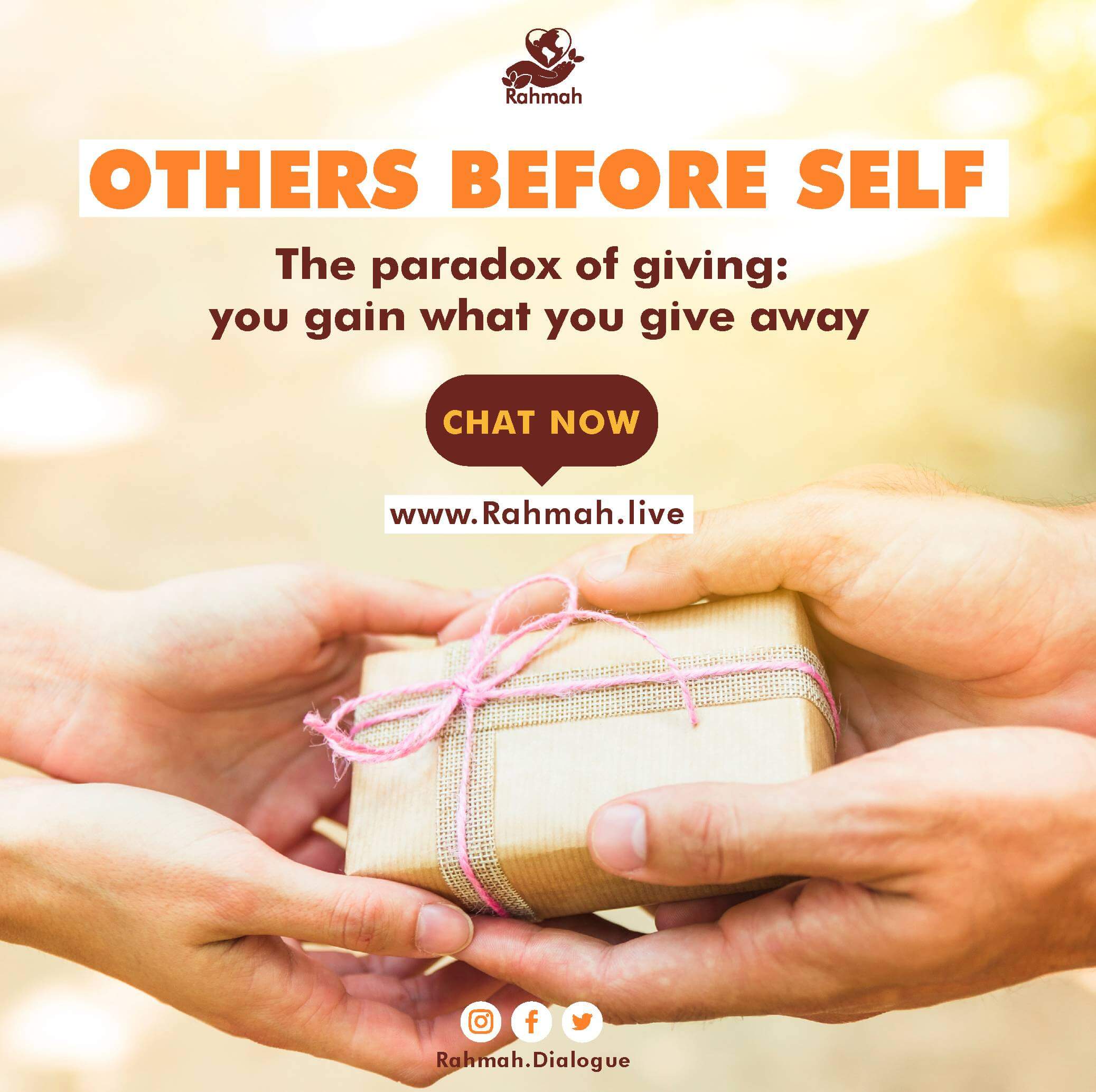
Introduction: Can a Human Give What They Need Most?
In a world often built on calculations of profit and loss and the dominance of personal interest, Islam presents the value of “Selflessness” (Ithar/إيثار) as a moral miracle. It transforms the individual from a being seeking only for themselves into a soul living for others. In the “Tree of Faith,” selflessness represents the “Ripe Fruits” offered by the tree despite its own thirst. It is the station where a believer is not satisfied with merely comforting his brother but prefers him over himself in times of need and necessity.
Selflessness in Islam is not just extra generosity; it is proof of psychological success and liberation from the chains of greed. It is the sincerest expression of faith-based brotherhood that makes Muslims like a “Solid Structure.”
The Philosophy of Selflessness: Giving in Times of Hardship
Selflessness is prioritizing the needs of others over one’s own, even when one is in need. In the believer’s heart, it is built on deep spiritual pillars:
- Compliance with Divine Praise: The Holy Quran immortalized those who practice selflessness in Surah Al-Hashr: {And they give them preference over themselves, even though they were in need}. This text makes selflessness a gateway to success (Falah/فلاح), leading the human out of the narrowness of the “I” into the vastness of Divine Pleasure.
- Certainty in Compensation: The believer who prefers others is certain that what is with God is better and more lasting. They know that the God who commanded them to do good will compensate them with blessings in provision and expansion in the heart.
- Following the Prophetic Example: Prophet Muhammad ﷺ was the first role model in selflessness. He never turned away a seeker and would spend the night hungry just to feed someone else. His companions followed his path, setting the most magnificent examples of giving during times of hardship.
Spiritual and Educational Impact: Victory Over Greed
Practicing selflessness brings about a radical transformation in the believer’s soul:
- Purifying the Soul from Stinginess: “Stinginess” (Shuhh/شح) is the prison where a person locks their own soul. Selflessness is the “Key to Freedom.” As the believer prefers others, their heart is cleansed of selfishness and their spirit rises above materialism.
- Achieving the Sweetness of Faith: A believer does not taste the true sweetness of faith until the pleasure of giving exceeds the pleasure of taking, and until seeing the happiness of his brother is more valuable to him than personal gain.
- Blessings and Growth: Selflessness is an act of faith that opens the gates of Heaven. Provision is blessed through giving, the soul grows through excellence (Ihsan/إحسان), and life becomes pleasant through the remembrance of God and righteous deeds.
Social Impact: The Society of “One Body”
When the character of selflessness spreads in society, we see a resilient social structure:
- Dissolving Grudges and Hatred: When the poor witness the selflessness of the rich, and the weak see the sacrifice of the strong, feelings of envy melt away and are replaced by love and prayers, protecting the fabric of society.
- Solidarity in Crises: In difficult moments, selflessness appears as a lifeline. Believers race to fill each other’s gaps, strengthening the nation and preserving its existence.
- Establishing Values of Gallantry (Muru’ah/مروءة): Selflessness trains generations that there is no place for greedy egoism. Instead, the race is toward providing aid, supporting the truth, and serving the creation to seek the reward of the Creator.
Conclusion: Selflessness is the Path to Success
The branch of selflessness is a call to elevate our humanity to the horizons of piety. it tells us that stinginess is present poverty, spending is delayed wealth, and selflessness is permanent success. Whoever is protected from the stinginess of their own soul has truly succeeded in this world and the hereafter.
We invite you to reflect on this high station of faith: How can selflessness transform society into one family where the strong support the weak? And how do the values of sacrifice and giving contribute to building a cohesive Islamic society ruled by justice, affection, and peace among people?

 English
 Español
 Português do Brasil
 Français
 Português
 Tagalog
 日本語
日本語 简体中文
简体中文 Русский
 Italiano
 Deutsch
 Türkçe
 العربية