
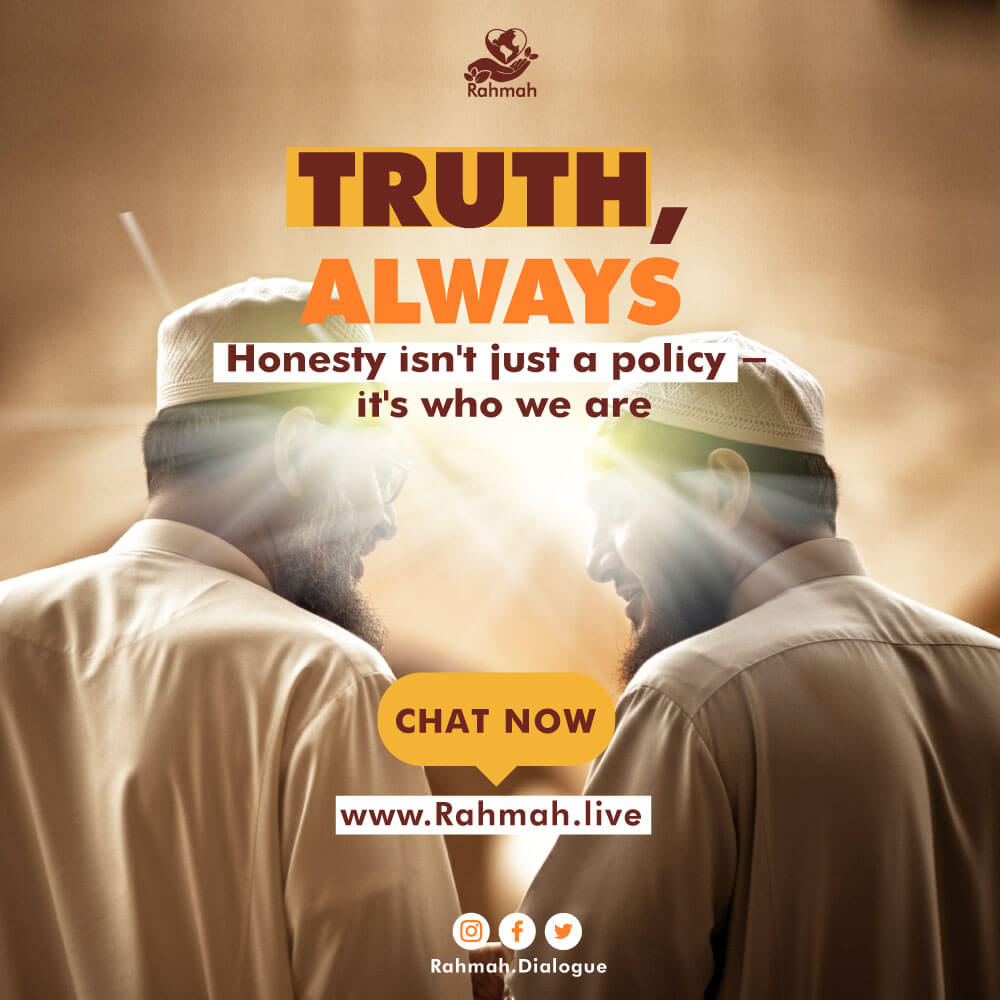
Introduction: Can a Believer Be a Liar?
When the Prophet ﷺ was asked: “Can a believer be a liar?” he replied: “No.” This decisive answer makes honesty an identity inseparable from faith. In the “Tree of Faith,” Sincerity in Speech represents the “Strong Trunk” that supports all the branches; if the tongue is upright in truth, the limbs will follow in righteousness. Honesty is not just a reflection of reality, but a “Loyalty to God” in word, deed, and intention.
Sincerity in speech is the lighthouse that distinguishes the believer from the hypocrite. A sincere believer builds their words on the certainty of the heart, viewing falsehood as a spiritual impurity that erases blessings and severs the bonds of trust with both the Creator and the creation.
The Philosophy of Truth: Guidance to Righteousness
The Prophet ﷺ mapped out the path to salvation when he said: “Adhere to truthfulness, for truthfulness leads to righteousness (Birr), and righteousness leads to Paradise.” This methodology rests on firm spiritual pillars:
- The Rank of the Truthful (Siddiqiyah/صديقية): Honesty elevates a servant until they are recorded with God as a “Siddiq” (the Truthful)—a rank directly following that of the Prophets. This indicates that the “honest word” is a peak of Divine proximity.
- Internal and External Sincerity: True honesty begins with the heart. A believer does not conceal the opposite of what they reveal, nor do they promise what they do not intend to fulfill, granting them a state of dignity and stability.
- Salvation in Truth: A believer is certain that truth is a means of salvation even if they fear its immediate consequences, and that lying is destructive even if it promises temporary gain.
Truth in Transactions: The Blessing of Provision and the Light of Trust
Sincerity in speech manifests in the believer’s life as a driver for reform and growth:
- Honesty in Trade: “If they are honest and clarify [any defects], they will be blessed in their sale.” The honest merchant who does not cheat or deceive is a companion of the Prophets on the Day of Resurrection. His honesty is the “hidden blessing” that grows his wealth.
- Truth in Testimony: Speaking the truth, even against oneself or kin, is the foundation of earthly justice. A believer does not bear false witness nor withhold testimony that restores a right or prevents an injustice.
- Honesty in Promises and Covenants: Fulfilling what the tongue has uttered is the proof of gallantry (Muru’ah). When a believer promises, they fulfill; when they commit, they remain true.
Falsehood: The Decay of Hearts and Eraser of Blessings
Islam warns against the “betrayal of the tongue” and makes lying the key to all wickedness:
- The Trait of Hypocrites: Lying is the primary sign of hypocrisy; it reveals a split between speech and reality, and between the internal and external.
- The Erasing of Blessing: While lying in transactions might achieve a quick profit, it “erases the blessing of the sale” and leads to spiritual and material poverty in the end.
Social Impact: A Society of Clarity and Security
When a society breathes the air of honesty, it achieves great gains:
- The Collapse of the Walls of Suspicion: Clarity prevails in interactions, making cooperation and collective work to build the nation much easier.
- Education in Integrity: Children grow up in an environment that sanctifies the truth, learning that strength lies in honesty and that admitting a mistake is a virtue.
- Peace of Conscience: Honesty grants a tranquility that decorated lies cannot provide. People live in peace because they are safe from one another’s deceptions.
Conclusion: Honesty is Tranquility
The branch of “Sincerity in Speech” is a call to regain our dignity through the truth. It tells us that our words are a trust from God upon our necks. Whoever adheres to truth in their speech, their heart will be enlightened, and their deeds rectified.
We invite you to reflect on this noble value: How can honesty rebuild the bridges of trust in our societies? And how do the values of “Clarity and Integrity” contribute to building a cohesive Islamic society ruled by justice, affection, and peace?
 English
 Español
 Português do Brasil
 Français
 Português
 Tagalog
 日本語
日本語 简体中文
简体中文 Русский
 Italiano
 Deutsch
 Türkçe
 العربية