
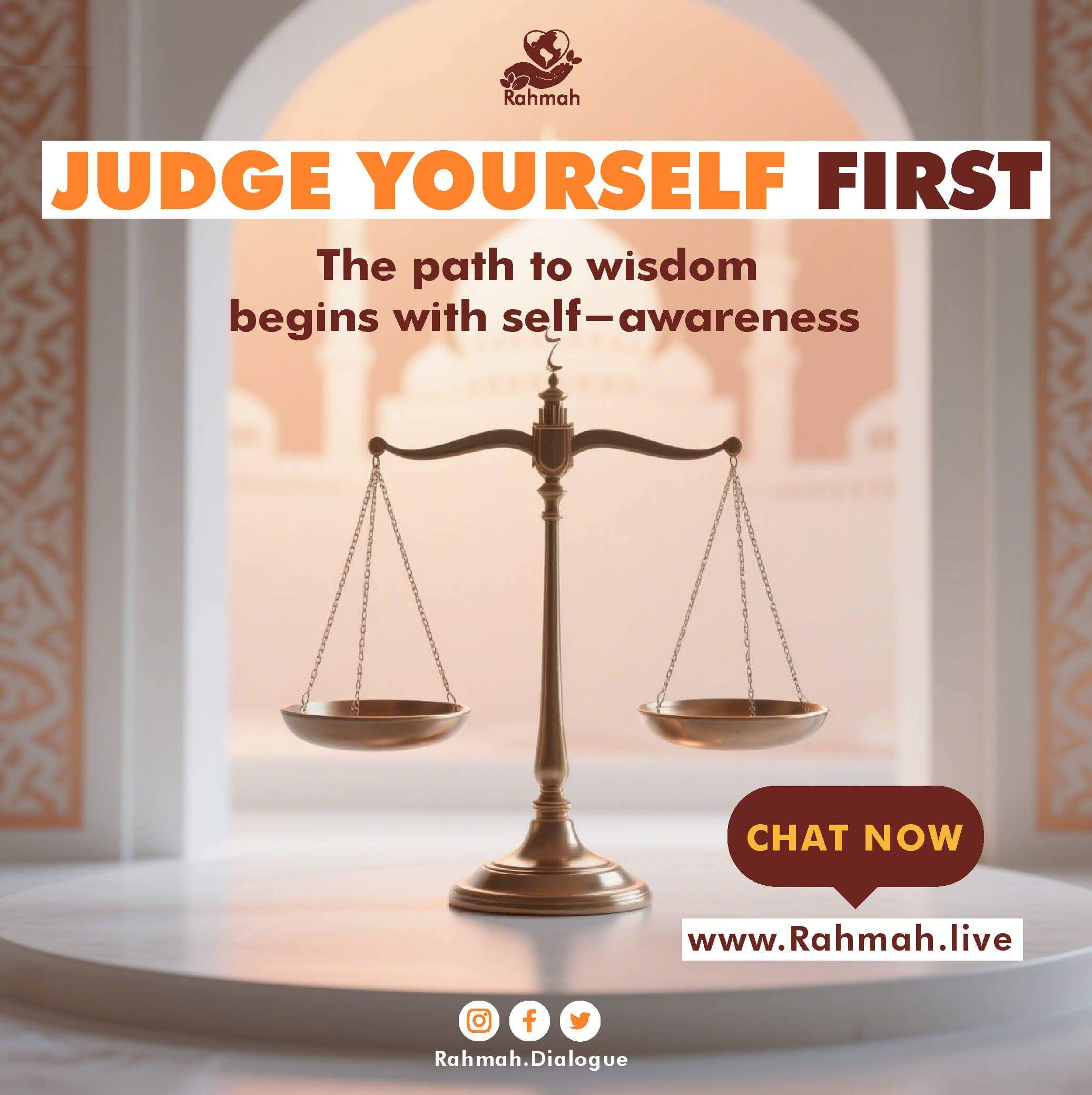
Introduction: Does the Soul Dare to Rule Against Itself?
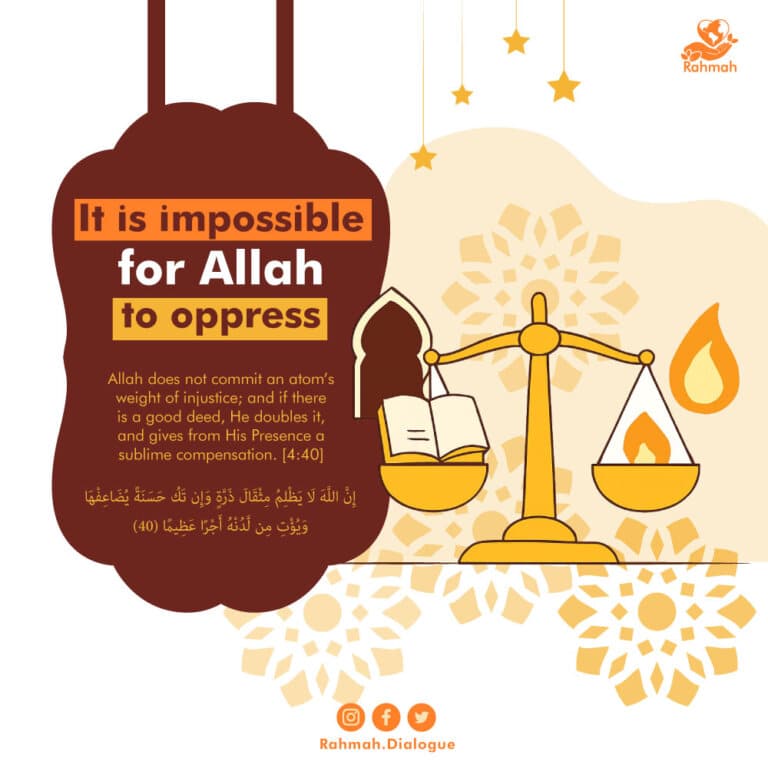
It is easy for a human to demand justice when the right is on their side, but the true test of faith lies in the ability to speak the truth when it is against them. In the “Tree of Faith,” the branch of “Self-Fairness” (Al-Insaf min al-Nafs/الإنصاف من النفس) represents the “Roots Firmly Planted in the Soil of Sincerity.” These roots refuse to lean with personal desires and ensure that the believer weighs their actions with a scale that does not wrong even an atom’s weight.
Self-fairness in Islam is “Internal Justice” that precedes justice with others. It is proof of the strength of certainty—knowing that God sees the secrets of the heart and that salvation lies in following the Truth, not in the victory of the ego.
The Philosophy of Fairness: Freedom from the Prison of the “I”
Fairness is voluntarily giving people their rights and admitting favor or mistakes without ambiguity. It is built on solid foundations:
- Sincere Accountability (Muhasabah/محاسبة): The believer stands before the mirror of Sharia, seeing their own flaws before looking for the flaws of others. It is the state described by Umar ibn al-Khattab: “Account yourselves before you are called to account.”
- Submission to the Truth: Fairness means that the Truth is the believer’s lost property; wherever they find it, they follow it, even if it comes from an opponent. This breaks human pride and makes the soul submissive to God’s command rather than personal whim (Hawa/هوى).
- Recognizing Favor: A fair person does not attribute success to themselves alone. They acknowledge God’s favor first, then the favor of those who did good to them, never undermining people’s worth regardless of their differences.
Educational Impact: Building the “Balanced” Human
Practicing self-fairness bears priceless virtues in the believer’s personality:
- Purifying the Heart from Arrogance (Kibr/كِبر): Arrogance is “rejecting the truth and looking down on people.” Fairness is its total opposite; it is accepting the truth and valuing people, which grants the believer a humility that elevates them before God and humanity.
- Spiritual and Moral Growth: A fair believer does not repeat mistakes because they have the courage to admit them. This admission is the first step toward reform and purification (Tazkiyah/تزكية).
- Peace of Conscience: When a person reconciles with the truth, they are freed from the burden of false justifications. They live in a state of clarity and honesty with their Lord and themselves.
Fairness as a Guarantee for Social Mercy
When the character of fairness spreads, society transforms into a cohesive structure built on trust:
- Resolving Conflicts with Mercy: Many disputes end the moment one party has the courage to say, “I was wrong.” Fairness shortens conflicts and preserves affection between brothers.
- Accepting Advice: A fair person sees others’ advice as a “gift” pointing out their flaws, receiving it with appreciation rather than defensive denial.
- Spreading Trust: When people see a man who is fair even against himself, they trust him with their wealth and honor. He becomes a role model who unites hearts.
Conclusion: Fairness is the Path to Paradise
The branch of self-fairness is a call to be witnesses for God in justice, even if it is against ourselves. It is a journey that starts from within to fix the outside. It tells us that true greatness is not in power or dominance, but in aligning with the Truth and Sincerity in every situation.
We invite you to reflect on this noble character: How can self-fairness change the course of our lives and relationships? And how does being honest with oneself contribute to building a cohesive Islamic society ruled by justice, affection, and peace among people?


 English
 Español
 Português do Brasil
 Français
 Português
 Tagalog
 日本語
日本語 简体中文
简体中文 Русский
 Italiano
 Deutsch
 Türkçe
 العربية